Senarai Semak Inspeksi Pengekalan Conduit
Muat turun borang semak semula paip elektrik percuma kami. Pelajari apa yang dicari penyelia NEC dan bagaimana untuk memastikan paip anda mematuhi kod.

מארָאס ט. ווֶב
Pekerja Elektrik Berlesen & Penulis Teknik
Isi Kandungan
- Semakan Mental Inspektor: 3 Kawasan Fokus Utama
- 1. Pemeriksaan “Crowding Visual”
- 2. Pemeriksaan Isolasi Pengarah
- 3. The Physical Damage (Skinning) Check
- Senarai Semakan Langkah demi Langkah Tertunggal
- ✅ Kawasan 1: The Conduit Run
- ✅ Kawasan 2: Pengiraan Pengisian
- ✅ Kawasan 3: Isian Kotak dan Badan
- Cara Mengendalikan Cabaran Lapangan
- Nilai Dokumentasi Profesional
- Kesimpulan: Lulus Pada Kali Pertama, Setiap Kali
Sebuah pemeriksaan yang gagal untuk pengecualian penebuang boleh menjadi bencana. Bukan sahaja memerlukan anda untuk menarik semula semua kabel (dan berpotensi merusaknya), tetapi ia sering bermaksud anda perlu membuang penebuang itu sendiri dan memperbesaran keseluruhan laluan.
Tetapi apa yang akan terjadi jika anda tahu apa yang difikirkan oleh pengawas itu tepat? Untuk membantu anda bersedia, kami telah menyusun Professional Conduit Fill Inspection Checklist ini berdasarkan Kod Elektrik Kebangsaan (NEC) dan keutamaan dunia sebenar Jabatan Berkuasa yang Berkuasa (AHJ).
Semakan Mental Inspektor: 3 Kawasan Fokus Utama
Apabila seorang peng lihat berjalan ke atas tapak anda, mereka tidak melihat setiap wayar individu. Mereka sedang mencari beberapa "bendera merah" yang menandakan sistem yang berpotensi tidak memuaskan syarat.
1. Pemeriksaan “Crowding Visual”
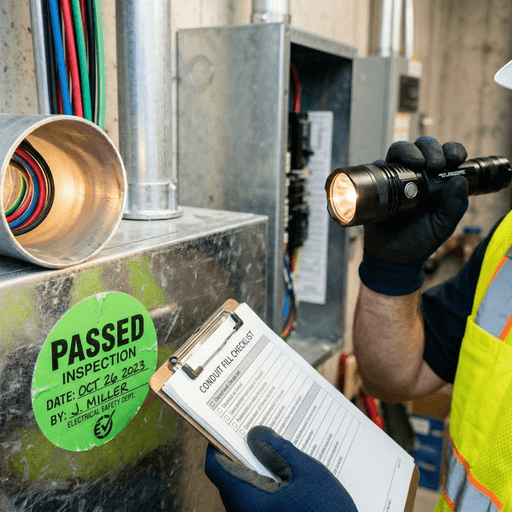
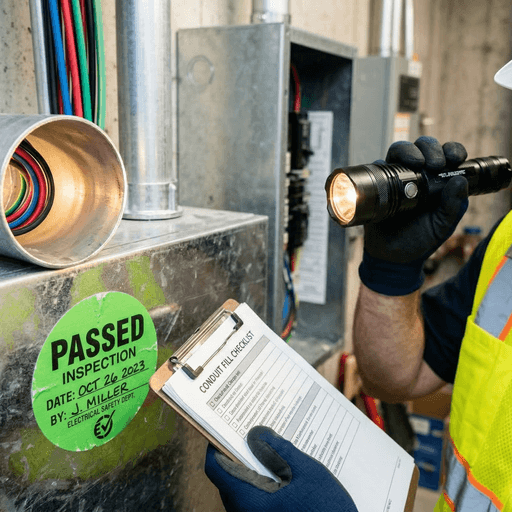
Yang pertama dilakukan oleh seorang inspektor ialah memandang ke hujung paip di papan pemancar atau kotak sambungan yang besar. Jika wayar itu terlalu rapat sehingga anda tidak dapat melihat "celahan udara" di antara penebalan dan dinding paip, mereka akan segera mencurigai paip yang terlalu penuh (melebihi peraturan 40%).
2. Pemeriksaan Isolasi Pengarah
Inspector sering memeriksa jahitan pada sisi kabel. Jika pengiraan anda dilakukan untuk THHN, tetapi anda sebenarnya memasang XHHW (yang lebih tebal), anda baru sahaja mencipta pelanggaran kod. Mereka akan mencari ketidakselarasan antara apa yang ada dalam borang hantar dan apa yang terdapat dalam paip.
3. The Physical Damage (Skinning) Check
Jika gerak balas tarikan itu amat sukar, pengawal mungkin mencari "skinning"—tandukan calar atau kepingan penebuaran yang hilang dekat dengan bukaan paip. Ini merupakan tanda bahawa paip itu terlalu penuh, menghasilkan terlalu banyak geseran semasa tarikan itu dan membahayakan keselamatan sistem itu.
Senarai Semakan Langkah demi Langkah Tertunggal
Gunakan senarai ini semasa walkthrough terakhir anda sebelum inspektor tiba.
✅ Kawasan 1: The Conduit Run
- [ ] Jumlah Bahagi: Adakah laluan itu mengandungi 360 darjah atau kurang bahagi secara keseluruhan antara titik tunda?
- [ ] Penyangkut Paip: Adakah paip tersebut disokong pada selang waktu yang betul (NEC 358.30 untuk EMT)?
- [ ] Keteguhan Pasangan: Adakah semua baut atau fitting kompresi dipakdikan kepada tork yang betul?
✅ Kawasan 2: Pengiraan Pengisian
- [ ] Aturan 40%: Adakah jumlah luas wayar kurang daripada atau sama dengan 40% daripada luas dalaman paip?
- [ ] Wayar Tanah: Adakah anda memasukkan setiap wayar tanah dalam jumlah anda?
- [ ] Saiz Wayar Campuran: Jika anda mempunyai wayar dengan ukuran campuran, adakah anda mempunyai jadual pengisian terperinci sedia untuk menunjukkan matematik?
✅ Kawasan 3: Isian Kotak dan Badan
- [ ] Volume (Cubic Inches): Adakah kotak sambungan anda mempunyai jumlah inci kubik yang betul untuk jumlah pengalir?
- [ ] Bumipaparan: Jika menggunakan LB atau LR, adakah badan itu bertanda dengan volumenya (cu in), dan adakah jumlah wayarnya kekal di bawahnya?
Cara Mengendalikan Cabaran Lapangan
Jika seorang pengawal menantang ukuran konduit anda, jangan bersikap defensif. Sebaliknya, gunakan data.
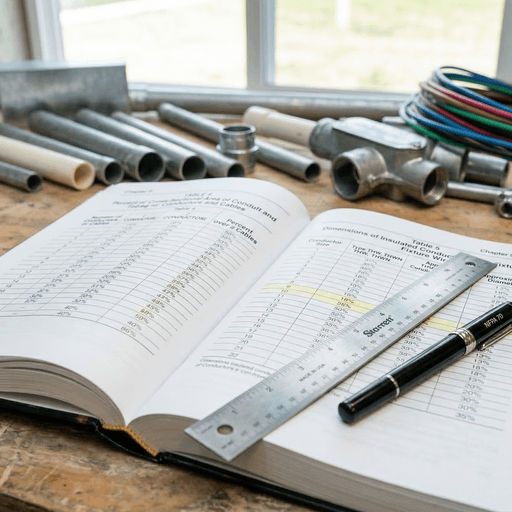
1. Tarik Buku Itu: Buka NEC (atau versi digital ([nec-conduit-fill-requirements/])). ke Bab 9, Jadual 4 dan 5. 1. Tunjukkan Matematik Anda: Berikan salinan pengiraanisian automatik. Sangat sukar untuk seorang pemeriksa untuk menolak kontraktor yang boleh menunjukkan pengiraan yang dicetak berdasarkan tepatnya dimensi Bab 9. 1. Tawarkan untuk "Menon" Tarikan: Jika mereka risau tentang kerosakan akibat geseran, tawarkan untuk menggunakan toner atau megohm-meter (Megger) untuk membuktikan integriti penebat.
Nilai Dokumentasi Profesional
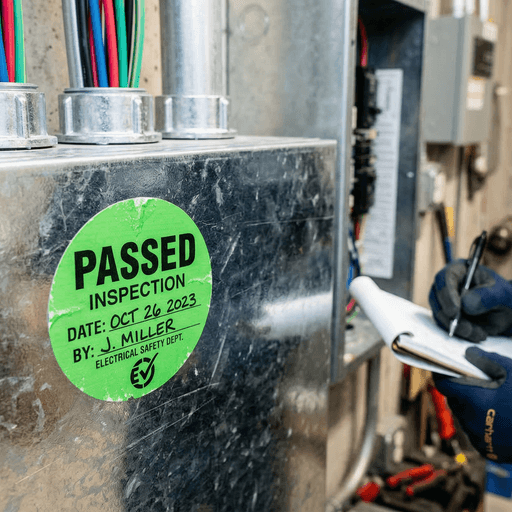
Pada projek komersial atau industri berskala besar, “menebak” bukanlah pilihan. Kontraktor profesional menyediakan Senarai Isi sebagai sebahagian daripada pakej penutup mereka.
Seterusnya, jadual pengisian ialah jadual mudah yang menunjukkan setiap laluan konduit, wayar di dalamnya, kawasan keseluruhan dan peratusan pengisian akhir. Ini bukan sahaja memastikan anda lulus pemeriksaan hari ini, tetapi juga mencipta sejumlah besar "Goodwill" dengan pemilik bangunan untuk penyelenggaraan akan datang mana-mana.
Kesimpulan: Lulus Pada Kali Pertama, Setiap Kali
Pemeriksaan elektrik tidak perlu menjadi acara yang penuh tekanan. Dengan mengikuti peraturan 40%, mengekalkan lengkungan anda di bawah 360 darjah, dan mempunyai dokumentasi profesional anda siap, anda mengubah minda musuh kepada rutin menandatangani.
Lakukan kerja itu betul pada kali pertama, periksa kerja anda sendiri, dan anda tidak akan perlu risau bila lampu sorot pengawal keluar.
Mahu membina penyampaian profesional dalam sebahagaian saat? Gunakan Inspect-Ready Conduit Fill Tool untuk menghasilkan PDF pengiraan yang bakal disukai oleh mana-mana pengawal selia.
? Soalan Yang Sering Diajukan
Apa kod penzipan paip paling biasa melanggar?
Adakah penyiasat akan menyemak matematik penezipan paip saya?
Apa peraturan luturan 360 darjah?
Bagaimana 'penzipan kotak' berkaitan dengan penezipan paip?
Bolehkah saya menunjukkan kepada penyiasat aplikasi di telefon saya untuk matematik saya?
Mengenai מארָאס ט. ווֶב
Marcus ialah juruelektrik berpengalaman yang berlesen dengan lebih daripada 14 tahun pengalaman di lapangan dalam pemasangan elektrik komersial dan industri di seluruh Amerika Syarikat. Dia memegang sijil NICET Tahap II dalam Sistem Elektrik dan telah bekerja pada projek daripada wayar pejabat menara tinggi kepada laluan konduit pusat data. Marcus menulis untuk menjembatani jurang antara buku kod NEC dan keputusan di tapak kerja sebenar.