Проверка заполнения коннектора
Скачайте наш бесплатный контрольный список для проверки электрических каналов. Узнайте, что ищут инспекторы NEC, и как обеспечить соответствие вашего заполнения каналов требованиям кода.
Маркус Т. Вебб
Лицензированный электрик и технический писатель
Содержание
- Инспекторский Психологический Чек-Лист: 3 Ключевых Области Фокуса
- 1. Проверка «Визуального перенаселения»
- 2. Проверка изоляции диэлектрика
- 3. The Physical Damage (Skinning) Check
- The Ultimate Step-by-Step Inspection Checklist
- ✅ Область 1: Пробег по Кондуктору
- ✅ Область 2: Расчет заполнения
- ✅ Область 3: Заполнение корпуса и ящика
- Как обрабатывать спор по участку
- The Value of Professional Documentation
- Заключение: Пройди Первый Раз, Каждый Раз
Неудачная проверка заполнение транса может стать катастрофой. Это не только требует от вас извлечения всех проводов обратно (и потенциально их повреждения), но и часто означает, что вам придется вырезать весь транк и увеличивать сечение всей линии.
Но что если бы вы знали точно, о чем думает инспектор? Чтобы вам помочь подготовиться, мы составили эту Профессиональную контрольную карту проверки заполнения кондукторов на основе Национального электротехнического кодекса (NEC) и реальных приоритетов уполномоченной организации (AHJ).
Инспекторский Психологический Чек-Лист: 3 Ключевых Области Фокуса
Когда инспектор выходит на ваш объект, он не рассматривает каждую отдельную проводку. Он ищет несколько "красных флагов", которые указывают на потенциально не соответствующую требованиям систему.
1. Проверка «Визуального перенаселения»
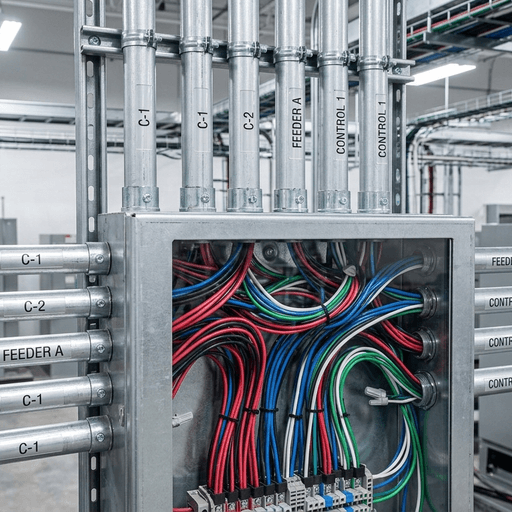
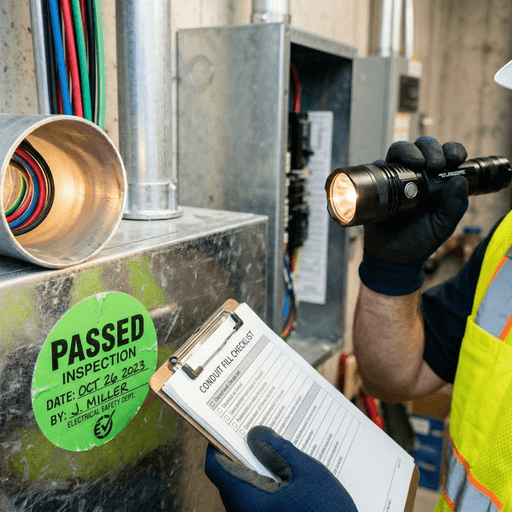
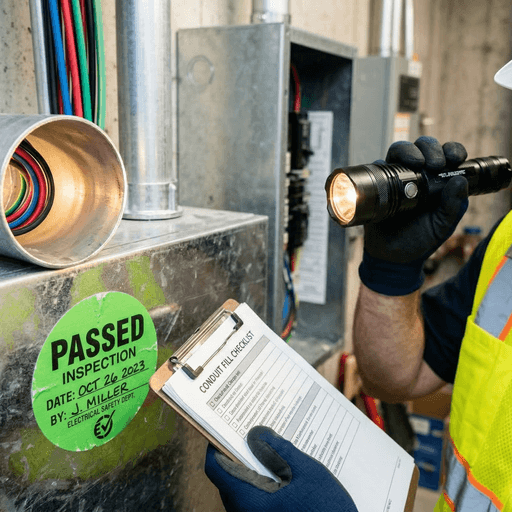
Первое, что делает инспектор, — присматривается в конец контура на панели или большой распределительной коробке. Если провода плотно упакованы настолько, что вы не можете увидеть "воздушную зазор" между изоляцией и стенкой контура, они сразу подозревают переполненный трубопровод (превышение правила 40%).
2. Проверка изоляции диэлектрика
Инспекторы часто проверяют надписи на боку проводов. Если ваше fill calculation было сделано для THHN, но вы фактически установили XHHW (что толще), вы только что создали нарушение кода. Они будут искать несоответствие между тем, что указано в вашем заявлении, и тем, что находится в трубе.
3. The Physical Damage (Skinning) Check
Если тяга была особенно сложной, инспектор мог поискать "зашкрябление" — царапины или отсутствующие фрагменты изоляции возле отверстия в кондукторе. Это признак того, что труба была перегружена, создавая слишком большое трение во время тяги и ставя под угрозу безопасность системы.
The Ultimate Step-by-Step Inspection Checklist
Используйте этот список во время вашей финальной проверки перед прибытием инспектора.
✅ Область 1: Пробег по Кондуктору
- [ ] Total Bends: Содержит ли ход 360 градусов или меньше общих поворотов между точками вытяжки?
- [ ] Пряжка для труб: Поддерживается ли труба на правильных интервалах (NEC 358.30 для EMT)?
- [ ] Плотность прижатия: Все гайки или компрессионные фитинги затянуты с правильным моментом?
✅ Область 2: Расчет заполнения
- [ ] Правило 40%: Составляет ли суммарная площадь проводки 40% или меньше внутренней площади трубы?
- [ ] Ground Wires: Вы включили все заземляющие провода в свой счет?
- [ ] Смешанные размеры проводов: Если у вас смешанные калибры, у вас есть детальная таблица заполнения для показа расчетов?
✅ Область 3: Заполнение корпуса и ящика
- [ ] Объем (кубических дюймов): Имеют ли ваши распределительные ящики правильный объем в кубических дюймах для количества проводников?
- [ ] Конечные элементы: Если используется LB или LR, обозначен ли корпус его объемом (куб. дюйм), и соответствует ли количество проводов его?
Как обрабатывать спор по участку
Если инспектор оспаривает ваши размеры воздуховодов, не оправдывайтесь. Вместо этого используйте данные.
1. Вытащите Книгу: Откройте вашу NEC (или цифровую версию ) в Главе 9, Таблицах 4 и 5. 1. Покажите вашу математику: Передайте им копию вашего автоматизированного расчета заполнения контуров. Очень сложно, чтобы инспектор провалил подрядчика, который может предоставить распечатанный расчет, основанный точно на размерах, указанных в Главе 9. 1. Предложение "Сгладить" "Пул": Если они обеспокоены повреждениями от трения, предложите использовать тонер или мегаомметр (Megger), чтобы доказать целостность изоляции.
The Value of Professional Documentation
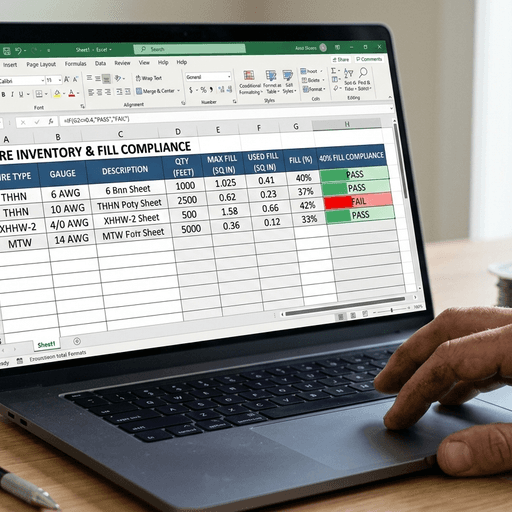
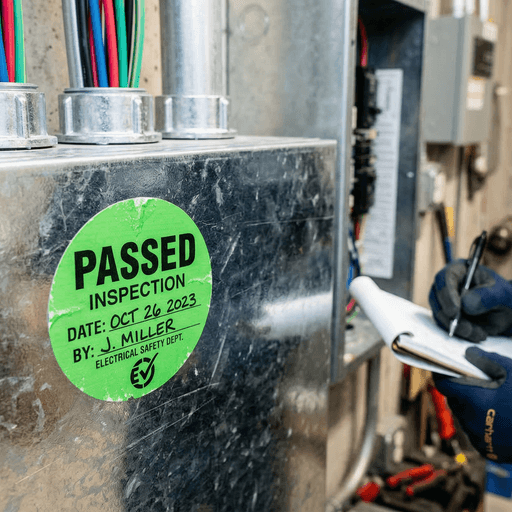
На крупных коммерческих или промышленных работах "угадывание" не является вариантом. Профессиональные подрядчики предоставляют График заполнения в составе своей завершающей документации.
Фильтрующий график – это простой столбец, показывающий каждое прохождение воздуховодов, провода внутри, общую площадь и конечный процент заполнения. Это не только гарантирует, что вы успешно пройдете проверку сегодня, но и создает огромный объем "Доброй воли" с владельцем здания для любого будущего обслуживания.
Заключение: Пройди Первый Раз, Каждый Раз
Обследование электрическое не обязательно должно быть стрессовым событием. Следуя правилу 40%, поддерживая ваши изгибы менее 360 градусов и имея готовую профессиональную документацию , вы превращаете напряжённый момент в рутинное согласование.
Сделайте работу правильно с первого раза, проверьте свою работу, и вам никогда не придется беспокоиться, когда появится луч инспектора.
Хотите создать профессиональное предложение за считанные секунды? Используйте нашу Inspect-Ready Conduit Fill Tool, чтобы сгенерировать PDF-расчет, который оценят любые инспекторы.
? Часто задаваемые вопросы
Какая наиболее распространенная ошибка при заполнении каналов? (What is the most common conduit fill code violation?)
Проверит ли инспектор мои расчеты по заполнению каналов вручную? (Will an inspector check my manual conduit fill math?)
Что такое правило 360-градусного изгиба? (What is the 360-degree bend rule?)
Как 'заполнение короба' относится к заполнению каналов? (How does 'box fill' relate to conduit fill?)
Могу ли я показать инспектору приложение на телефоне для моих расчетов? (Can I show an inspector an app on my phone for my math?)
О нас Маркус Т. Вебб
Маркус – лицензированный опытный электрик с более чем 14-летним опытом работы на местах в коммерческих и промышленных электроустановках по всей территории США. Он имеет сертификат NICET Level II по системам электроснабжения и работал над проектами, начиная от проводки в офисных высотных зданиях и заканчивая прокладкой кабельных каналов в центрах обработки данных. Маркус пишет, чтобы устранить разрыв между справочником NEC и решениями, принимаемыми на строительной площадке.