Komercyjne vs. Mieszkaniowe Wypełniacze Kanałów
Dowiedz się, jak różnią się wymagania dotyczące wypełnienia kanałów elektrycznych między projektami komercyjnymi a mieszkalnymi. Zobacz, dlaczego specyfikacje komercyjne są często bardziej restrykcyjne niż podstawowy kodeks.

Sąder K. Ożej
Inżynier elektryk (PE)
Spis treści
- Prawo Konstytucyjne: Czy NEC się zmienia?
- Residential Conduit Fill: The Minimum standard
- Kluczowe Wyzwania dla Mieszkańców:
- Komercyjne wypełnienie rur: "Spec" Przeinżynieria
- 1. Ograniczenie "Wewnętrzne" 25-30%
- 2. Wymuszone Przeskalowanie
- Porównanie podsumowanie: komercyjne vs. mieszkalne
- Dlaczego instalacje "komercyjne" działają dłużej
- Wniosek: Opływanie Obu Światów
Różnice nie dotyczą tylko kodu; dotyczą specyfikacji engineering specs, zapewnienia przyszłości i mechanicznego zakresu instalacji. W tym przewodniku rozłożymy na czynniki pierwsze rzeczywiste różnice między instalacją przewodów w budynkach komercyjnych a mieszkalnych, wyjaśniając, dlaczego „zgodność z przepisami” sama w sobie nie zawsze wystarcza w świecie komercyjnym.
Prawo Konstytucyjne: Czy NEC się zmienia?
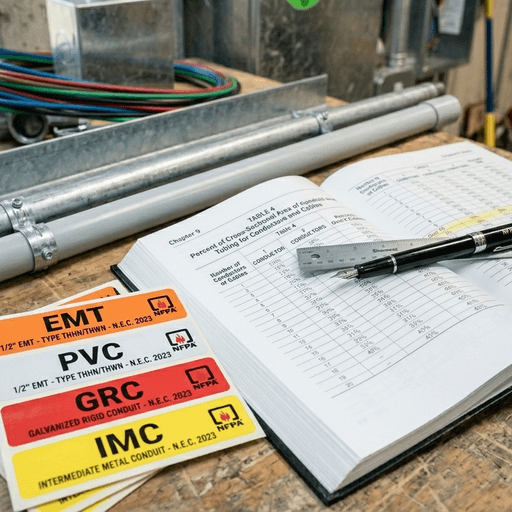
Pierwsze, proste rozwiązanie: Nie. Tabele z rozdziału 9 NEC (40/31/53% fill) są prawem obowiązującym dla każdego projektu elektrycznego, na terenie Stanów Zjednoczonych. Niezależnie od tego, czy instalujesz okablowanie w sypialni w Ohio, czy centrum danych w Wirginii, obliczenia dla 40% fill są identyczne.
Jednakże, sposób interpretacji i egzekwowania kodu ulega zmianie w zależności od złożoności projektu oraz oczekiwań właściciela.
Residential Conduit Fill: The Minimum standard
W pracy na budowach mieszkalnych (domy, mieszkania, małe sklepy) rury często są wykorzystywane do konkretnych zadań:
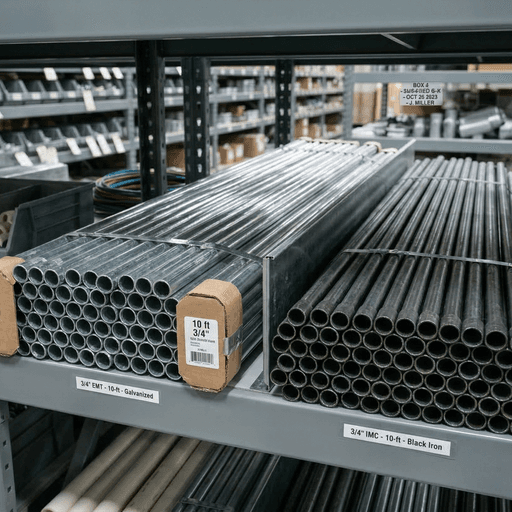
- Ujawnione Wykonania: EMT w garażu lub piwnicy w celu ochrony przewodów przed uszkodzeniem.
- Wejścia Energetyczne: Sztywne (RMC) lub PCV dla przewodu zasilającego głównego wchodzącego do domu.
- Ładowarki EV: Dedykowane okablowanie z rozdzielni do garażu.
Kluczowe Wyzwania dla Mieszkańców:
- Małe rozmiary przewodów: Większość przewodów mieszkalnych ma rozmiar 1/2" lub 3/4". Ponieważ rura jest mała, przepełnienie jej tylko jedną miedzianą wiązką jest znacznie częstsze.
- NM-B w Conducie: Wiele osób majstrować DIY (i niektórzy profesjonaliści) prowadzą NM-B (Romex) przez kondukty do ochrony fizycznej w stanie „nie do wykończenia”. Matematyka dla wypełnienia NM-B jest znana z tego, że jest trudna ze względu na jej nieregularny kształt.
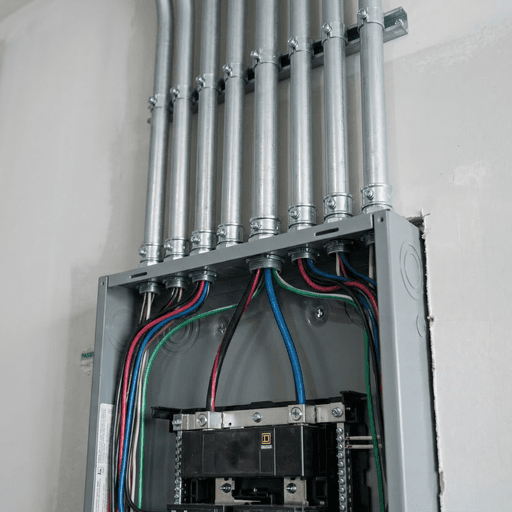
Komercyjne wypełnienie rur: "Spec" Przeinżynieria
Na zlecenie komercyjnym nie tylko przestrzega się kodu; przestrzega się Electrical Specifications (specyfikacji) sporządzonych przez firmę inżynierską.
1. Ograniczenie "Wewnętrzne" 25-30%
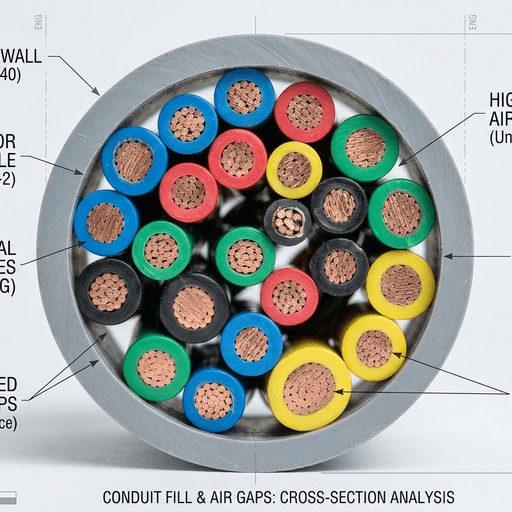
Wiele inżynierów komercyjnych zabroni Ci wypełnienia rury do dozwolonego przez NEC 40%. Mogą określić maksymalne wypełnienie na 25% lub 30%. Dlaczego?
- Przyszłościowe Planowanie: Firmy się zmieniają. Biuro potrzebuje linii danych jutro, których nie potrzebuje dziś. Dodatkowe miejsce w przewodzie pozwala właścicielowi uniknąć kosztownych projektów "rozmontuj i wymień" w przyszłości.
- Łatwość wyciągania: Wyciąganie 500 stóp drutu to ogromny koszt pracy. Wyciąganie z wypełnieniem 30% jest znacznie szybsze i bezpieczniejsze niż "ściśliwe" wyciąganie z wypełnieniem 40%.
2. Wymuszone Przeskalowanie
To jest powszechne, aby specyfikacje komercyjne zaczynały się od: "Nie wolno instalować rozmiarów mniejszych niż 3/4-cali." Nawet jeśli kodeks pozwala na 1/2-cali, inżynier chce dodatkowej pojemności i wytrzymałości mechanicznej 3/4-cali jako minimalnego standardu.
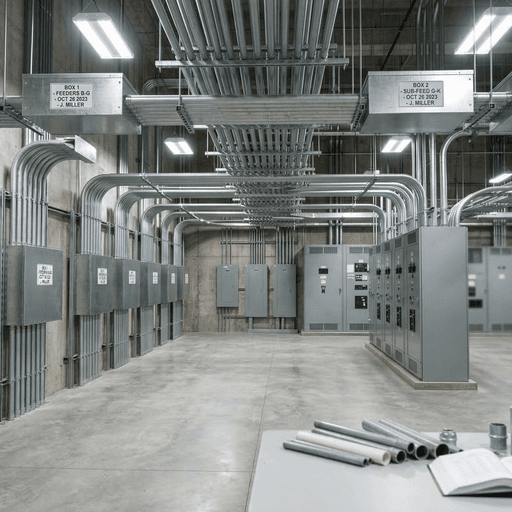
Porównanie podsumowanie: komercyjne vs. mieszkalne
Cecha
Dlaczego instalacje "komercyjne" działają dłużej
W środowisku mieszkalnym, bieg rury często jest "ustawiony i zapomniany". W zakładzie komercyjnym lub przemysłowym, system jest dynamiczny.
- Tłumność cieplna: Budynki komercyjne często mają wyższe temperatury otoczenia w kanałach i stropach. Niższe wypełnienie kanałów (około 25%) pomaga zapobiegać gromadzeniu się ciepła i wypalaniu izolacji w czasie.
- Ekranowanie EMF: W gęsto zabudowanych biur, większa przestrzeń między przewodnikami w rurze może nieznacznie zmniejszyć zakłócenia elektromagnetyczne (EMI) między liniami zasilającymi a liniami sygnalizacyjnymi o niskiej napięciosci.
Wniosek: Opływanie Obu Światów
Czy budujesz wymarzony dom lub centrum danych, cel jest ten sam: Bezpieczeństwo i Zgodność. Rozumiejąc, że specyfikacje komercyjne często ustanawiają wyższy próg niż podstawowy kod mieszkaniowy, możesz lepiej przygotować swoje oferty, zamówić odpowiednie materiały i zapewnić, że Twoja praca przetrwa zarówno latarkę inspektora, jak i próbę czasu.
Pozostań elastyczny, użyj właściwego kalkulatora dla Twojego rodzaju pracy i zawsze zostaw trochę "powietrza" w rurze dla następnej osoby.
Pracujesz nad projektem komercyjnym? Użyj naszego Profesjonalnego Kalkulatora Specyfikacji Wypełnienia aby dostosować swoje cele wypełnienia do 25%, 30% lub 35% jednym kliknięciem.
? Najczęściej zadawane pytania
Czy NEC ma różne tabele wypełnienia dla prac komercyjnych w porównaniu z mieszkalnymi?
Dlaczego prace komercyjne często wymagają większych rur?
Czy mogę użyć kabla NM-B w rurach w garażach mieszkalnych?
Czy EMT jest bardziej powszechne w zastosowaniach komercyjnych czy mieszkalnych?
Kto sprawdza wypełnienie rur na placach budowy komercyjnych?
O nas Sąder K. Ożej
Sander jest Inżynierem Projektowym (PE) uprawnionym w Teksasie i Georgii, specjalizującym się w systemach dystrybucji energii i zgodności z elektrycznymi kodeksami dla budownictwa komercyjnego. Posiada tytuł B.S. in Electrical Engineering na Uniwersytecie Technologii Georgia i 11 lat doświadczenia konsultingowego. Przegląda treść techniczną na tym serwerze pod kątem dokładności w odniesieniu do najnowszej wersji NEC. Sander zapewnia, że każdy wynik kalkulatora i odniesienie do kodeksu odzwierciedla to, co faktycznie egzekwują inspektorzy.