Правила за пълнене на проводник
Научете се как да изчислявате запълването на тръби за LB, LL, LR, T и X тела съгласно NEC 314.16. Уверете се, че инсталациите ви с тръби отговарят на изискванията на нормативната уредба.
Сандер К. Осей
Електротехник (Инженер) – специалист (СВП)
Съдържание
- Двете Типове Правила за Тялото на Кондуктора
- 1. Кондуктни тела като точки за теглене (без спойки)
- 2. Conduit Bodies as Junction Boxes (With Splices)
- Отбелязване на обема: Отговорност на производителя
- Изчисляване на пълнене на кутии за тръби
- The “Short Body” Trap: LB vs. LBD
- Преминаване през Инспекция: Какво Търси Инспекторът
- Практически съвети за работа с Conduit тела
- Заключение: Не съди тръбата по външния ѝ вид
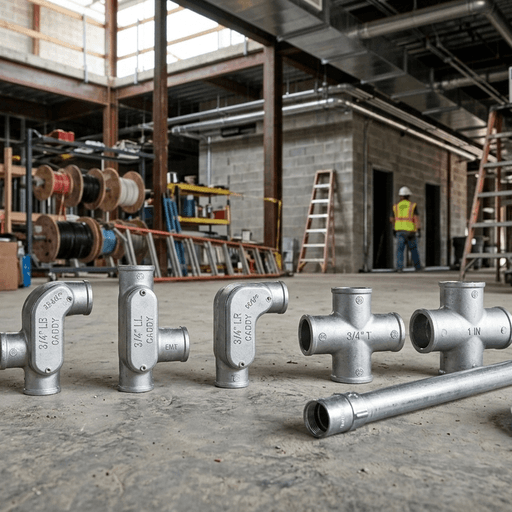
Електронните кондукти са магистралите на електрическа система, но корпусите на кондукторите (като тези всеприсъстващи LBs, LLs и LRs) са разклоненията. Често те са най-натоварените точки в системата, и все пак много електротехници пропускат изчисляването на пълнежа за тези критични компоненти. Този пропуск е основна причина за неуспешни проверки и, по-важното, риск от натрупване на топлина и повреда на проводниците.
В този документ ще разгледаме подробно точно какво NEC 314.16 изисква за запълване на тръбите и как да гарантирате, че вашите кръстовища са толкова безопасни, колкото и основните пътища.
Двете Типове Правила за Тялото на Кондуктора
The National Electrical Code третира кондукторите по различен начин в зависимост от това дали се използват просто като „точка за теглене“ или като „junction box“ за спойки.
1. Кондуктни тела като точки за теглене (без спойки)
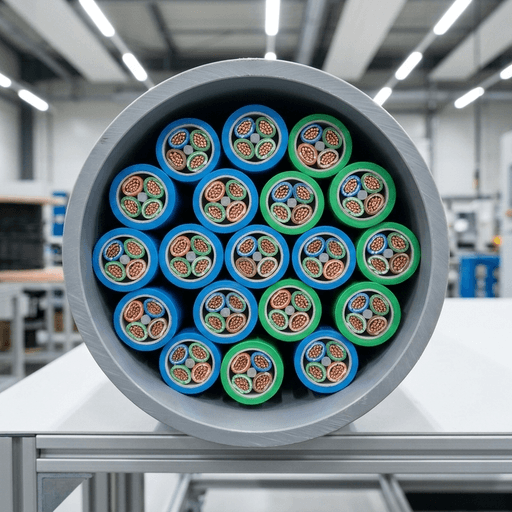
Ако просто изтегляте кабели през тяло на тръбна мреха без да правите никакви спойки или връзки, правилата се управляват от NEC 314.16(C)(2). В този случай, тялото на тръбната мреха трябва просто да има достатъчно пространство, за да приеме кабелите без повреда. Ако тялото на тръбната мреха не е обозначено с обем, броят на кабелите е ограничен от същата норма за запълване от 40%, която се прилага към самата тръбна мреха.
2. Conduit Bodies as Junction Boxes (With Splices)
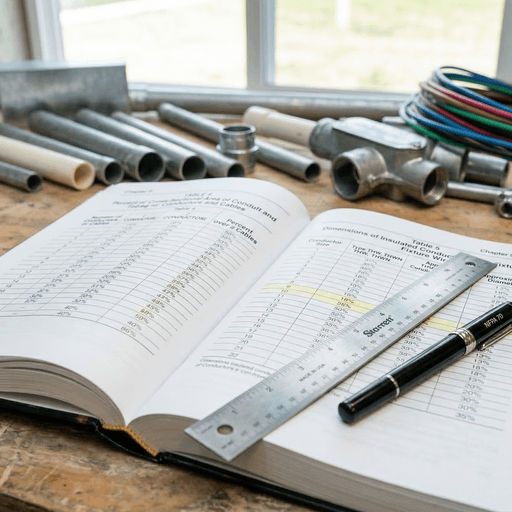
Ако планирате да използвате клеми за проводници или други конектори вътре в тръбата, тя трябва да е обозначена с вътрешния си обем в кубични инчове. След това трябва да извършите изчисление "Box Fill", като присвоите кубични инчови стойности на всеки проводник, базирано на NEC Table 314.16(B).
Отбелязване на обема: Отговорност на производителя
Съвременните алуминиеви и ПВЦ тръби често са маркирани с обема (напр. "12.0 CU IN"). Това обозначение обикновено се намира от вътрешната страна на отливката или от външната страна близо до маркировката за търговския размер.
Ако работите с по-стари тела на тръби, които нямат маркировка за обем, технически не е позволено да ги използвате за връзки. Те са ограничени само до точки за теглене.
Изчисляване на пълнене на кутии за тръби
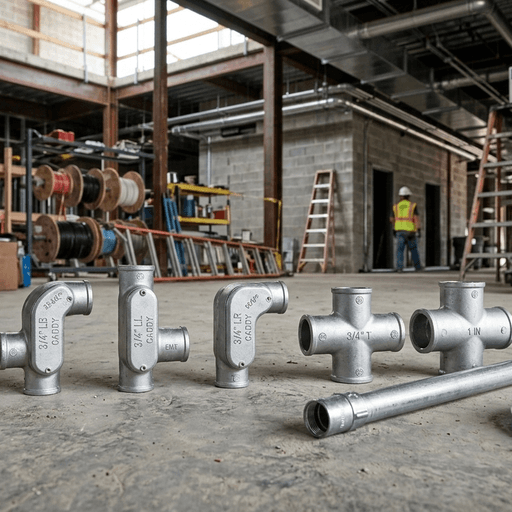
Когато се използва проводник за спойки, изчислението следва същите правила като стандартна кутия за стена:
1. Проводи: Пребройте всеки проводник, преминаващ през или завършващ в тялото, веднъж. 1. Основи: Всички комбинирани заземлени проводници се считат за един проводник (въз основа на най-големия заземителен проводник, наличен). 1. Устройства: Ако по някакъв начин поставите устройство (като прекъсвач) в тръбопроводен корпус (рядко!), това се счита за удвояване на допустимия обем. 1. Клещи: Вътрешните кабелни клещи (рядко в проводни тела) се броят като едно разрешение за проводник.
Използвайте NEC Таблица 314.16(B), за да намерите кубичния инчов стойност за вашия калибър на проводник:
- #14 AWG: 2.00 cu in
- #12 AWG: 2.25 cu in
- #10 AWG: 2.50 cu in
- # 8 AWG: 3.00 cu in
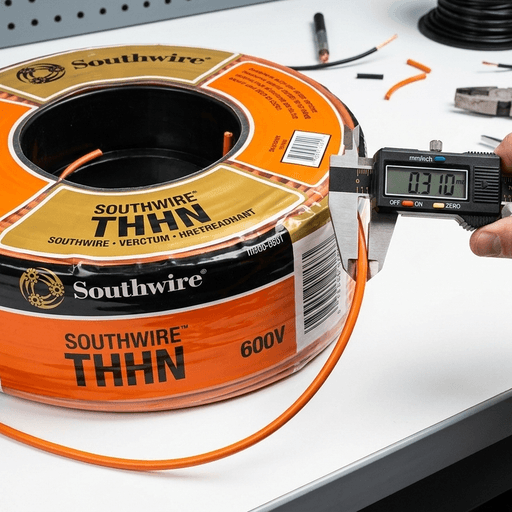
Вие имате 1-инчов LB с маркиран обем от 12.0 CU IN. Искате да свържете 4 #12 THHN проводника.
- 4 проводника x 2.25 ку инч = 9.0 ку инч.
- 1 заземяване = 2.25 куб. инч.
- Общо необходим обем: 9.0 + 2.25 = 11.25 куб. инч.
The “Short Body” Trap: LB vs. LBD
Един от най-честите грешки е опитът да се използва стандартен "къс" LB за големи проводници. Стандартните LB са предназначени за обща употреба, но за по-големи кабели (като кабели за влизане в сервиз), NEC изисква повече място за огъването.
За тези приложения ви е необходим Mogul Conduit Body (често обозначен като LBD или подобен). Тези имат много по-дълго тяло, за да осигурят препоръчителното "6 пъти диаметър на търговия" разстояние за огъване на кабела, предотвратяващо напрежение в изолацията.
Преминаване през Инспекция: Какво Търси Инспекторът
Когато инспектор отвори вашите кондуити, той търси три неща:
1. Маркировка на обема: Наистина ли тялото се използва за връзки е оценено за това? 1. Чистота: Жак ли е окабеляването без да е смачкан от капака или уплътнението? 1. Правилна уплътнение: За външни инсталации, липсва ли правилната пяна или гумена уплътнение и е в добро състояние, за да предотврати навлизането на вода?
Практически съвети за работа с Conduit тела
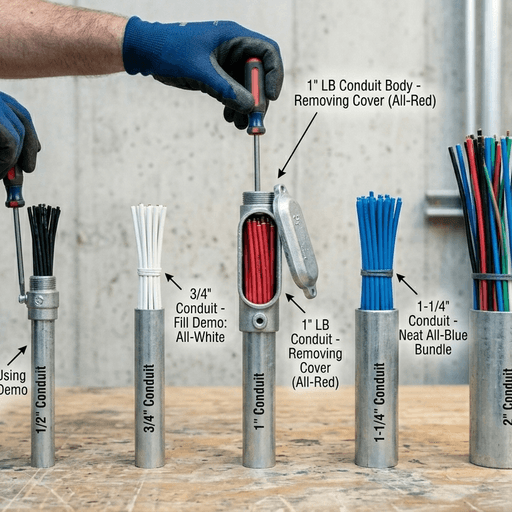
1. Не прекалявайте със свързването: Просто защото можете да поставите свързвания в тръба с диаметър 1 инч, не означава, че трябва. Тялото на тръбата е тесно и отстраняването на проблеми със свързване в тръба с диаметър 1 инч е много по-трудно отколкото в кутия за съединения 4x4. 1. Използвайте подходящата подложка: Винаги използвайте подложката и уплътнението, одобрени от производителя. Смесването на марки може да доведе до лошо уплътнение и вътрешна корозия. 1. Mind the Bends: Не забравяйте, че тяло с тръба технически се счита за точка на изтегляне. Ако имате LB в рун, сте рестартирали броя си на 360-градусовия завой. Това е чудесен начин да опростите дълги рунове с много завои. 1. Избор на инструменти: Използвайте ръчен отвертка за капачките. Ударните инструменти често повреждат алуминиевите резби или напукват PVC ушите на тялото.
Заключение: Не съди тръбата по външния ѝ вид
Кондукторните корпуси са основни инструменти в арсенала на професионален електротехник, но трябва да се третират със същата строгост за спазване на нормите като самия кондуктор. Като разберете NEC 314.16 и извършите бърките изчисления за вашите разклонения и тегления, вие осигурявате безопасна, професионална инсталация, която ще премине всяка проверка.
Запомни, целта не е просто да се поберат жиците; а да се поберат и легално.
Нуждаете ли се от помощ с математиката? Разгледайте нашия Professional Box Fill Calculator специално проектиран за тръби и малки разклонителни кутии.
? Често задавани въпроси
Приложим ли е правилото за запълване с 40% към тяло на кабелна кутия?
Какво е тяло на кабелна кутия LB?
Как да изчисля обем за тяло на кабелна кутия?
Мога ли да използвам тяло на кабелна кутия за спойки?
Какво, ако тялото ми на кабелна кутия няма обозначение на обема?
За мен Сандер К. Осей
Сандър е професионален инженер (PE), лицензиран в Тексас и Джорджия, специализиран в системите за електроразпределение и спазване на електрическите кодове за търговско строителство. Притежава бакалавърска степен по електротехника от Georgia Tech и 11 години опит в консултантска дейност. Той преглежда техническото съдържание на този сайт за точност спрямо последната версия на NEC. Сандър гарантира, че всеки резултат от калкулатор и препратка към нормата отразява какво наистина прилагат инспекторите.