Konduktör Gövdesi Dolgu Kuralları
Kablo kanalı gövdesi dolgulanması hesaplama yöntemini LB, LL, LR, T ve X gövdeleri için NEC 314.16 standardına göre öğrenin. Kablo kanalı gövdesi kurulumlarınızın standartlara uygun olduğundan emin olun.

Sander K. Osei
Elektrik Mühendisi (PE)
İçindekiler
- İki Tür Kondukt Gövde Kuralı
- 1. Bağlantı Gövdesi Çekme Noktası Olarak (Birləşmə Yok)
- 2. Conduit Bodileri Junction Kutuları (Dikişlerle)
- Hacmi İşaretleme: Üreticinin Sorumluluğu
- Box Dolgu Hesaplaması için Konduktör Gövdesi
- The "Short Body" Tuzağı: LB vs. LBD
- Geçmiş Kontrolleri: Müfəttiş Ne Arayar
- Pratik İpuçları Conduit Vücutlarıyla Çalışmak İçin
- Sonuç: Bir Boruyu Kapağının Altında Yargılama
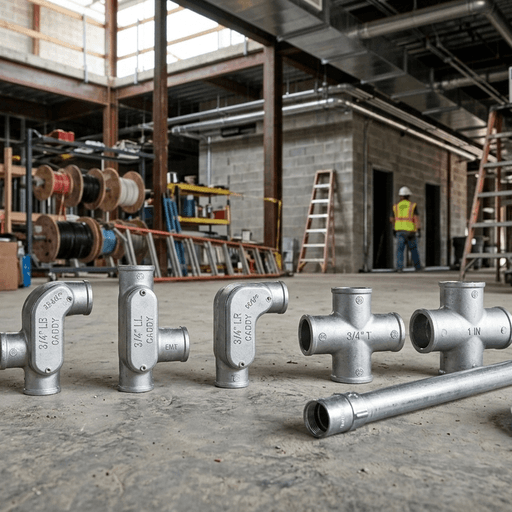
Elektronik kanallar, bir elektrik sisteminin otoyollarındır, ancak kanallar (sıklıkla bulunan LB, LL ve LR'ler gibi) kavşaklardır. Çoğunlukla, sistemdeki en yoğun noktalar oldukları ve yine de birçok elektrikçinin bu kritik bileşenler için dolgu hesaplamasını atladığı görülür. Bu gözden kaçırma, başarısız incelemelerin başlıca nedenidir ve daha da önemlisi, ısı birikmesi ve tel hasarına bir risktir.
Bu rehberde, NEC 314.16'nın conduit gövdesi dolumu için tam olarak ne istediğini ve değişimlerinizin otoyollar kadar güvenli olduğundan nasıl emin olabileceğinizi öğreneceğiz.
İki Tür Kondukt Gövde Kuralı
The National Electrical Code, conduit gövdesini yalnızca bir “çekim noktası” veya spliplemler için bir “toplama kutusu” olarak kullanılıp kullanılıp farklı şekilde ele alır.
1. Bağlantı Gövdesi Çekme Noktası Olarak (Birləşmə Yok)
Eğer sadece bir muhafazaya teller çekiyorsanız ve herhangi bir bağlantı veya dal yapmıyorsanız, kurallar NEC 314.16(C)(2) tarafından yönetilir. Bu senaryoda, muhafaza gövdesi, iletkenlerin zarar görmemesini sağlamak için yalnızca yeterli boşluğa sahip olmalıdır. Muhafaza gövdesi hacimle belirtilmediği takdirde, iletken sayısı kendi muhafazasına uygulanan aynı %40 doluluk kuralı ile sınırlıdır.
2. Conduit Bodileri Junction Kutuları (Dikişlerle)
Eğer teller veya diğer bağlantı elemanlarını conduit gövdesinde kullanmayı planlıyorsanız, iç hacmi küp inç cinsinden işaretlenmelidir. Ardından, her ileceye NEC Tablosu 314.16(B)'ye göre küp inç değerleri atayarak bir "Box Fill" hesaplaması yapmalısınız.
Hacmi İşaretleme: Üreticinin Sorumluluğu
Modern alüminyum ve PVC conduit gövdeleri genellikle hacimleri (örn. "12,0 CU IN") ile işaretlenir. Bu işaretleme genellikle kalıbın iç yüzeyinde veya trade boyutu işaretlemesine yakın dış yüzeyde bulunur.
Eğer eski boru gövdeleriyle çalışıyorsanız ve hacim işaretleyici yoksa, teknik olarak onlarla bağlantılar yapmak size izin verilmez. Sadece çekme noktası olarak kullanılmasına izin verilir.
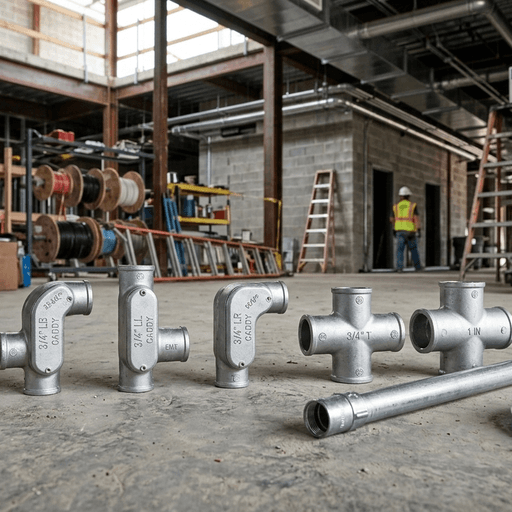
Box Dolgu Hesaplaması için Konduktör Gövdesi
Bir konduktör gövdesi kablolama için kullanılıyorsa, hesaplama standart bir duvar kutusu için kullanılan aynı kurallara göre yapılır:
1. İletkenler: Her birin vücudun içinden geçmesi veya vücudun içinde sonlanması durumunda bir kez sayın. 1. Temeller: Tüm toprak kabloları birleştirildiğinde bir iletken olarak sayılır (en büyük toprak kablosunun boyutuna göre). 1. Cihazlar: Eğer bir cihazı (örneğin bir anahtarı) bir kanal gövdesinde (nadiren olur!) yerleştirebilirseniz, bu, iki katı hacim izin verene sayılır. 1. Klempler: İç kablo klempleri (tüp gövdelerinde nadir) bir iletken sayımına sayılır.
NEC Tablosu 314.16(B)'yi kullanarak telinizin ölçüsünün kübik inç değerini bulabilirsiniz:
- #14 AWG: 2.00 cu in
- #12 AWG: 2,25 cu in
- #10 AWG: 2.50 cu in
- # 8 AWG: 3.00 cu in
Sahneye 1 inçlik bir LB var, işaretli hacmi 12.0 CU IN. 4 adet #12 THHN kablo birleştirmek istiyorsunuz.
- 4 iletken x 2,25 in³ = 9,0 in³.
- 1 toprak tel payı = 2,25 küp inç.
- Toplam gerekli hacim: 9,0 + 2,25 = 11,25 küp inç.
The "Short Body" Tuzağı: LB vs. LBD
Bir hata da büyük iletkenler için standart "kısa" LB'yi kullanmaya çalışmaktır. Standart LB'ler genel amaçlı kablo kablojuları için tasarlanmıştır, ancak daha büyük kablolar (örneğin, hizmet giriş kabloları) için NEC, bükülmek için daha fazla alan gerektirir.
Bu uygulamalar için, Mogul Conduit Gövdesi (genellikle LBD veya benzeri olarak etiketlenir) gereklidir. Bunların çok uzun gövdesi, kablo bükmesi için önerilen "6 kat işlem çapı" mesafesini sağlamak için, yalıtım gerginliğini önler.
Geçmiş Kontrolleri: Müfəttiş Ne Arayar
Bir denetçi, conduit vücutlarınızı açtığında, üç şey arıyor:
1. Hacim İşaretleme: Vücut, eklemeler için gerçekten de buna derecelenmiş mi? 1. Temizlik: Kablolar kapak veya contanın altında sıkışmadan gizlenmiş mi? 1. Doğru Conta: Dış mekan kurulumları için, su girişini önlemek üzere doğru köpük veya kauçuk conta mevcuttur ve iyi durumdadır mı?
Elmas el, LB kondu koruyucu gövdesini açıyor](/images/blog/opening-conduit-body.png "Opening Conduit Body")
Pratik İpuçları Conduit Vücutlarıyla Çalışmak İçin
1. Aşırı Birleştirme Yapmayın: Sadece yapabileceğiniz için birleşimi bir LB'ye sığdırmanız, onu yapmanızın gerektiği anlamına gelmez. Bağlantı boruları dar ve 1 inçlik bir LB'deki birleşimi 4x4 bağlantı kutusundaki birleşime göre sorun gidermenin çok daha zor olması daha zordur. 1. Doğru Kapağı Kullanın: Her zaman üretici tarafından onaylanan kapağı ve contayı kullanın. Farklı markaların karışması, kötü sızdırmazlığa ve iç korozyona neden olabilir. 1. Mind the Bends: Unutmayın ki bir bağlantı vücudu teknik olarak bir çekim noktası olarak sayılır. Bir koşuda bir LB'niz varsa, 360 derecelik bükülme sayınızı yeniden başlamışsınızdır. Bu, birçok viraja sahip uzun koşuları basitleştirmek için harika bir yoldur. 1. Araç Seçimi: Kapak vidaları için manuel bir tornavida kullanın. Çarpma sürücüler, genellikle alüminyum dişleri zedeleyebilir veya gövdedeki PVC kulakları çatlatabilir.
Sonuç: Bir Boruyu Kapağının Altında Yargılama
Conduit vücutleri bir elektrikçinin profesyonel cevizinde olmazsa olmaz araçlardır, ancak aynı zamanda bağlantı elemanları kadar aynı kod uyumluluğu titizliğine sahip edilmelidirler. NEC 314.16'yı anlama ve bölünmeleriniz ve çekimleriniz için hızlı hesaplamayı gerçekleştirerek, her incelemeyi geçecek güvenli ve profesyonel bir kurulum sağlıyorsunuz.
Unutmayın, amaç sadece kabloları takmak değil, aynı zamanda yasal olarak takmaktır.
Bir yardıma mı ihtiyacın var matematik konusunda? Profesyonel Kutulu Dolgu Hesaplayıcımızı inceleyin, özellikle konduktör gövdeleri ve küçük bağlantı noktaları için tasarlanmıştır.
? Sıkça Sorulan Sorular
40'luk dolgu kuralı konduit gövdeleri için geçerli mi?
Bir LB konduit gövdesi nedir?
Bir konduit gövdesi için hacmi nasıl hesaplarım?
Bir konduit gövdesi için bağlantı elemanları kullanabilir miyim?
Konduit gövdem hacimle işaretlenmemişse ne olur?
Hakkımda Sander K. Osei
Sander, Teksas ve Georgia’da lisanslı bir Profesyonel Mühendis (PE) olup, ticari inşaat için güç dağıtım sistemleri ve elektrik kodlarına uyumluluk konusunda uzmanlaşmıştır. Georgia Teknoloji Enstitüsü’nden Elektrik Mühendisliği derecesi ve 11 yıllık danışmanlık deneyimiyle, bu site üzerindeki teknik içeriği en son NEC (Elektrik Kodları) sürümüne karşı doğruluğu kontrol etmektedir. Sander, her hesaplama sonucunun ve kod referansının, müfettişlerin gerçekten uyguladığı şeyleri yansıtmasını sağlamaktadır.