電線管占有率計算機 ロゴ
電線管占有率計算機
NEC 314.16(C) バリューム適合

配管本体 埋める 電卓

Conduit bodies like LB, LL, or C Our conduit body volume calculator helps you verify if your wire count fits within the NEC-specified cubic inch capacity for safe and legal installations.

身体仕様

Fitting & Conductor Geometry

必要な容量
6.75 in³
コンプライアンス容量

単位体積

0.00 2

最大許可値 (推定)

0

導体本体の体積 NEC Article 314.16

コンジットボディは、ジャンクションボックスと同様に、体積に関して同様に扱われます。各導体は、そのゲージに基づいて特定の量の「自由空間」を必要とし、絶縁材の圧縮や過熱を防ぐために、「コンジットボディ立方インチ容量計算機」を使用して計算できます。

安全マージン

メーカーが刻印したコンジットボディの立方インチ容量の表示(CM/In³)は、現場作業中の設置者にとって主要な法的参照基準です。

ボリュームマーキング

NECコード

Conduit bodies containing conductors 6 AWG or smaller must have their conduit body volume calculator or cubic inch capacity durably marked by the manufacturer.

Fitting Capacity Logic

Unlike continuous raceways, the cubic inch capacity of a conduit body is affected by wire bending, creating localized conductor volume displacement.

🛡️

曲げる空間

確保し、配管体の十分な立方寸スペースがあること、およびNEC 314.16(C)のコンプライアンスのために、適切な導体体積の移動と必須の導体体曲げ半径があること。

ワイヤー密度

より太いゲージ(例:6 AWG)が導体体積を置き換える場合、同じハブサイズでより大きなコンジット本体埋め込み計算容量が必要になることがあります。

📜

コード適合性

従属するNEC表314.16(B)の導体体積変位の値で電気検査に合格します。

ボリュームチェックワークフロー

01

体積容量

確認のために、LB、C、またはLLサイズのフィッティングの内部容積(例:7.5 in³)を確認してください。

02

ワイヤー移動

使用してNEC表314.16(B)で各電線サイズ(例:12AWGの場合、2.25インチ³)の単位体積を検索してください。

03

最終検証

単位体積をワイヤー数で乗算し、本体容量と比較して、結果が以下に等しいか倍以下でなければなりません。

導管充填計算式

コンジットの充填計算式における数学的な理解は、安全な電気工事を確実にするのに役立ちます。以下に、NEC第9章に準拠してコンジットの充填率を計算するための標準的な式を示します。

数学的設計図

一般的な公式

入力 % =
総ワイヤ面積
コンジットエリア
× 100
  • 01
    総ワイヤ面積 管内に存在するすべての導体(ワイヤー)の断面積の合計は、NECのコンジット充填計算式に示されている通りです。
  • 02
    コンジットエリア NECコンジットの内部断面積(EMT、PVCなど種類用)
政府規制

NEC 充填比制限

国電気規定(NEC)第9章、NEC表1の充填率に基づき、最大許容充填率はワイヤーの数によって異なります。

ワイヤー数 最大容量%
1本線 53%
2本のワイヤー 31%
3本以上のワイヤー 40%

24インチ以下のニップルは、適切なコンジットサイズのために、NECコンジット充填率の範囲内で使用できます。

📖

導通計算の例

例えば、あなたが実行している場合 4 x 12 AWG THHN 電線 はい 1/2インチEMT:

ステップ1

12 AWGワイヤーの面積を求めます(概算のNEC配管充填計算式:0.0133 in²)。

ステップ2

4本のワイヤーで掛ける = 0. 0532 平方インチ

ステップ3

1/2" EMT(NEC 配管充填計算例)の内面積は約 0.304 in² です。

結論

コンジットの充填率を計算します:(0.0532 / 0.304) × 100 = 17.5%

17.5%は3本以上のワイヤーに対する40%の制限を下回っているため、これは 準拠.

FAQ

よくある質問

How many wires can an LB conduit body hold?
For conductors 6 AWG and smaller with no splices, an LB follows the fill of the conduit connected to it. When splices or taps are present, NEC 314.16(C) volume rules apply and the body must be marked with its cubic-inch capacity, which then limits the conductor count.
What is the difference between a conduit body and a junction box?
A conduit body is a fitting (LB, LL, LR, T, C) that provides access to a raceway at a bend or junction, while a junction box is an enclosure for splicing and connecting conductors. They are sized under different NEC rules: conduit bodies under 314.16(C) and 314.28, boxes under 314.16(A) and (B).
When does NEC 314.16 apply versus 314.28?
NEC 314.16(C) governs conduit bodies used with conductors 6 AWG and smaller, using cubic-inch volume when splices exist. NEC 314.28 governs bodies and pull boxes containing conductors 4 AWG and larger, using minimum length and dimension multiples of the largest raceway to protect insulation.
Do pass-through conductors count in a conduit body?
Pass-through conductors without splices count toward fill the same way they count in the connected conduit for 6 AWG and smaller. A separately marked cubic-inch volume is only required when the body contains splices, taps, or devices.
What is the 6x rule for conduit bodies?
Under NEC 314.28(A)(2) for angle or U pulls with 4 AWG and larger conductors, the distance from where a raceway enters to the opposite wall must be at least six times the trade diameter of the largest raceway. This protects large conductors from over-tight bends.
Can I splice inside an LB conduit body?
Yes, if the conduit body is marked by the manufacturer with its cubic-inch volume and the splices fit within that volume per NEC 314.16(C)(2). Unmarked conduit bodies may not contain splices, taps, or devices.

Conduit Tools

Explore all our helpful tools for conduit fill calculations designed to save you time and keep you compliant.

3/4インチハブ

コンジット本体充填計算機

Printable Conduit Sizing Chart: Fill Capacity for EMT, PVC, and IMC (Free PDF)
⚡ 電気技師のためのツールとリソース
2026年6月14日

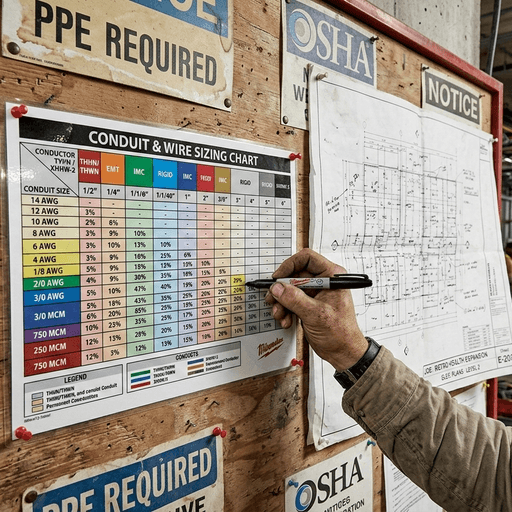
Printable Conduit Sizing Chart: Fill Capacity for EMT, PVC, and IMC (Free PDF)

Download our free printable conduit sizing chart — laminate it, throw it in your tool bag, or pin it in your panel room. Covers the most common conduit types and wire gauges used on US job sites.

計算方法として、NEC 314.16(C) の体積要件と最大ワイヤー数計算機を使用して、コンジットボディ内の最大許容回数を計算します。 LB、LL、LR、C、および T 型のフィッティングに関する適合性を確認してください。
Free Conduit Fill Calculator Spreadsheet for Excel (Download + How to Use It)
⚡ 電気技師のためのツールとリソース
2026年6月9日

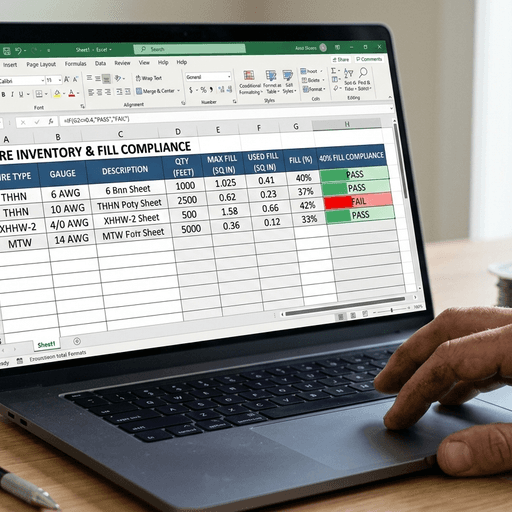
Free Conduit Fill Calculator Spreadsheet for Excel (Download + How to Use It)

Our free Excel conduit fill calculator spreadsheet handles mixed wire sizes, multiple conduits, and NEC compliance checks — all in a format you can save, share, and use offline on any job.

計算方法として、NEC 314.16(C) の体積要件と最大ワイヤー数計算機を使用して、コンジットボディ内の最大許容回数を計算します。 LB、LL、LR、C、および T 型のフィッティングに関する適合性を確認してください。
Electrical Conduit Buyer's Guide: EMT, PVC, IMC, and RMC Compared for Real-World Jobs
⚡ 電気技師のためのツールとリソース
2026年6月4日

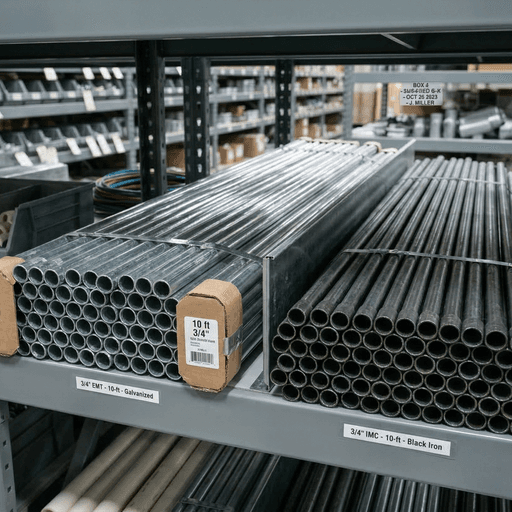
Electrical Conduit Buyer's Guide: EMT, PVC, IMC, and RMC Compared for Real-World Jobs

Which conduit is worth the money for your application? We compare cost, durability, install time, and NEC fill capacity for every major conduit type sold at US electrical supply houses.

計算方法として、NEC 314.16(C) の体積要件と最大ワイヤー数計算機を使用して、コンジットボディ内の最大許容回数を計算します。 LB、LL、LR、C、および T 型のフィッティングに関する適合性を確認してください。