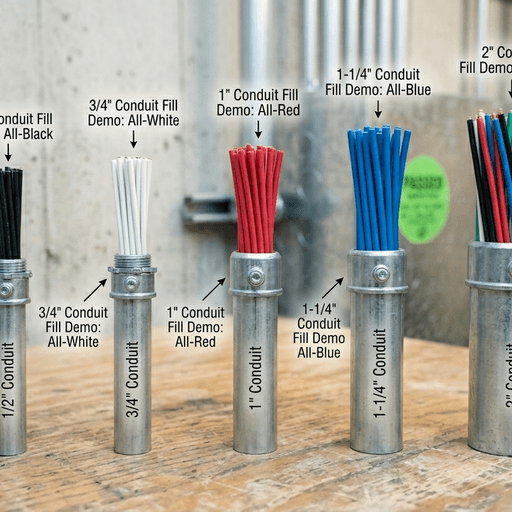
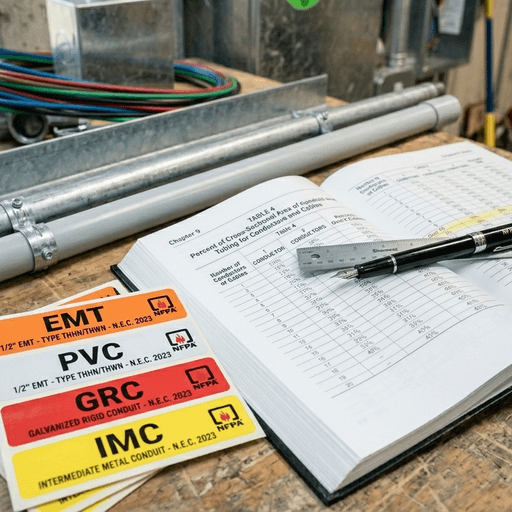
رسم مساحة مقطع الأسلاك
ابحث عن مخطط مرجعي كامل لمساحات مقاطع الأسلاك. قارن أحجام AWG، و OD، ومساحة لأنواع الموصلات الشائعة مثل THHN و XHHW وغيرها.

ساندير أويسي
مهندس كهربائي (مهندس ميكانيكي معتمد)
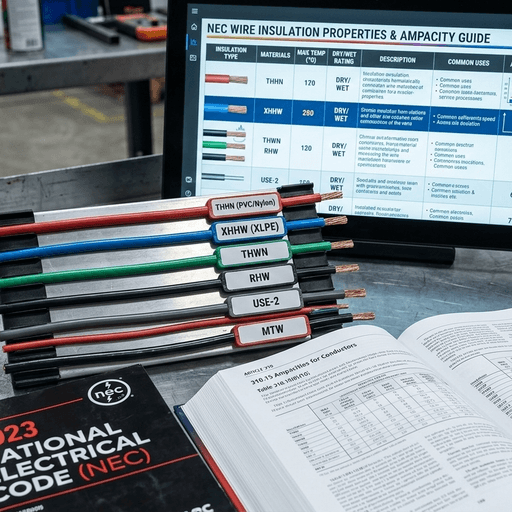
الحصول على المساحة بخلاف شق صغير جدًا يمكن أن يكون هو الفرق بين مشروع يتوافق مع المعايير البرمجية ومشروع يفشل في الفحص. في هذا الدليل، نقدم مخططًا مرجعيًا كاملاً لأحجام AWG (American Wire Gauge) الأكثر شيوعًا وأحداقها المرتبطة بها لـ THHN و XHHW وأنواع العزل القياسية الأخرى.
الفرق بين مقياس و مساحة
أحد أكثر المفاهيم الخاطئة شيوعًا بالنسبة للمتدربين هو أن "AWG" هو قياس مباشر لسمك الأسلاك الفيزيائي داخل قناة. إنه ليس كذلك.
- AWG (Gauge): يشير فقط إلى سمك مادة التوصيل (النحاس أو الألومنيوم).
- مساحة المقطع العرضي: تشير إلى إجمالي المساحة المشغولة للعمود الكهربائي بالإضافة إلى عوازته.
THHN / THWN-2 Wire Area Chart (NEC Table 5)
أكثر الأسلاك شيوعًا المستخدمة في المواقع التجارية الجافة هو THHN (نايلون بطلاء مقاوم للحرارة عالي الحرارة من البوليمر الحراري). وهو شائع بالتحديد بسبب أن عوازله رقيق نسبيًا، مما يسمح بوجود المزيد من الأسلاك في قناة معينة.
AWG Size
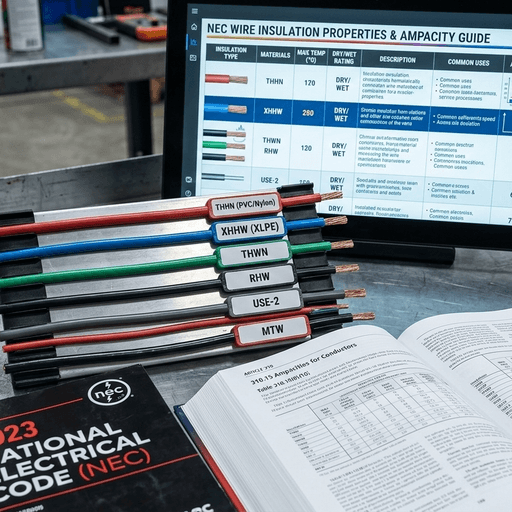
XHHW / XHHW-2 Wire Area Chart
XHHW (Cross-linked Polyethylene High Heat-resistant Water-resistant) شائع الاستخدام في الأماكن الرطبة أو المبللة. إنه أكثر سماكة ومتانة من THHN.
AWG Size
ملاحظة مثيرة للاهتمام: لاحظ أنه بالنسبة الأسلاك رقم 12، فإن XHHW (0.0181) أكبر بحوالي 35٪ من THHN (0.0133). إذا لم تعدل حساب حجم القناة الخاص بك لهذه العزلات المختلفة، فستكون ممتلئة بشكل كبير جدًا.
كيفية حساب المساحة بنفسك (للكابلات المتخصصة)
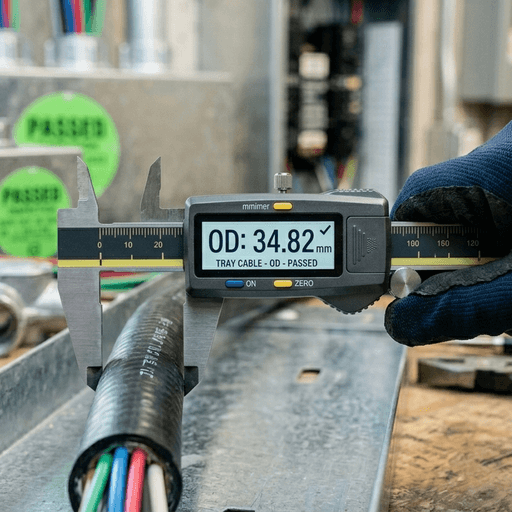
ماذا لو كنت تسحب كابل بيانات محمي خصيصًا أو كابل شريط لا يظهر في الجدول 5؟ يجب عليك استخدام ورقة المواصفات الفنية من الشركة المصنعة للعثور على القطر الخارجي (OD) ثم استخدام الصيغة لحساب مساحة الدائرة.
الصيغة من القطر إلى المساحة:
المساحة = 0.7854 × القطر²
مثال:
لنفترض أن لديك سلكًا متخصصًا بقطر خارجي 0.25 بوصة.
- المساحة = 0.7854 × (0.25 × 0.25)
- المساحة = 0.7854 × 0.0625 = 0.0491 بوصة مربعة.
لماذا تعني الدقة العشرية أهمية؟
في حساب ملء القنوات، كل فاصلة عشرية مهمة. على سبيل المثال، الفرق بين ملء بنسبة 39.5% وملء بنسبة 40.5% هو ببساطة 1%. ولكن هذا الـ 1% هو الفرق بين عمل يتوافق مع الأنظمة واللوائح والعمل الذي لا يتوافق معه.
بينما يحاول بعض الكهربائيين القدامىء "تقدير" عدد الأسلاك الخاص بهم، فإن المهني دائمًا يعتمد على قيم الفصل 9، الجدول 5 في NEC. وهذا يضمن أن عملهم منطقي رياضيًا وقابل للدفاع عنه عالميًا أمام المدققين والمهندسين.
الخلاصة: العمود الفقري للدقة
تُعد البيانات الدقيقة لمساحة مقطع الأسلاك عبريًّا أساسًا لعملية توصيل الأنابيب بنجاح. من خلال فهم الفرق بين القياس والمساحة، واستخدام الرسومات المرجعية الصحيحة لنوع العزل الخاص بك، فإنك تلغي التخمين من تركيبات الطاقة الكهربائية المتعلقة بالسلامة في حياتك.
لا تستسلم لـ "كافٍ". استخدم الأرقام الدقيقة، واملأ قنواتك بشكل قانوني، وقم دائمًا بالعمل بشكل صحيح في المرة الأولى.
هل تحتاج طريقة أسرع للبحث عن هذه المناطق؟ استخدم مخطط مساحة المقطع العرضي للأسلاك الرقمي للحصول على نتائج فورية عبر جميع أحجام AWG والمواد العازلة.
? أسئلةٌ مكرّرة
ما هو المساحة المقطعية للأسلاك؟
هل المساحة المقطعية مخصصة فقط للنحاس؟
كيف يؤثر عزل الأسلاك على المساحة؟
ماذا يعني OD في مخطط الأسلاك؟
هل الأسلاك الألومنيوم لها نفس المساحة مثل الأسلاك النحاسية؟
عنّي ساندير أويسي
ساندر هو مهندس كهربائي محترف (PE) مرخص في تكساس وجورجيا، متخصص في أنظمة توزيع الطاقة والامتثال لقواعد الكهرباء للمباني التجارية. حاصل على بكالوريوس في الهندسة الكهربائية من جامعة جورجيا التقنية وخبرة 11 عامًا في الاستشارات، يقوم بمراجعة المحتوى الفني على هذا الموقع للتأكد من دقته مقابل أحدث إصدار من NEC. يضمن ساندر أن كل نتيجة لحساب وكل مرجع للوائح تعكس ما يطبقه مفتشو الإنفاذ فعليًا.